Introduction
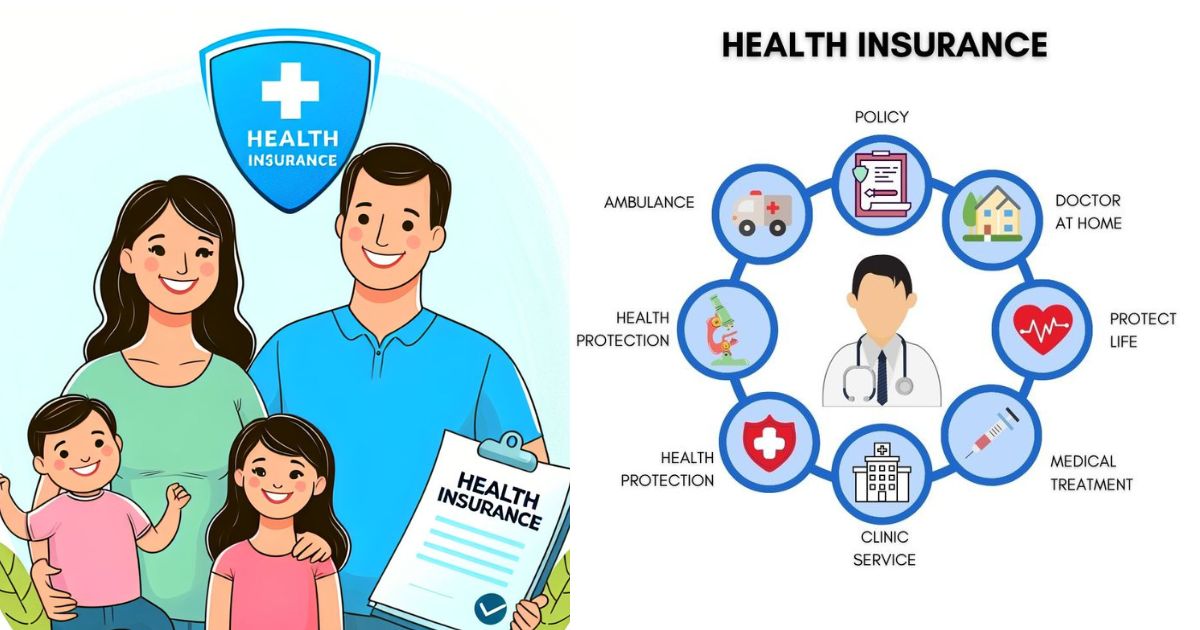
Choosing the right health insurance policy for your family is one of the most important financial and personal decisions you will make. In 2026, healthcare costs continue to rise globally, and even a minor medical emergency can significantly impact your savings if you are not properly insured. A well-chosen health insurance plan not only protects your finances but also ensures access to quality medical care when your family needs it most.
With hundreds of insurers, policy options, and complex terms, the process can feel overwhelming. From understanding premiums and deductibles to comparing provider networks and coverage benefits, there are many factors to consider before making a decision.
This complete guide will walk you through everything you need to know about choosing the best health insurance policy for your family. By the end, you will have a clear understanding of how to evaluate plans, avoid costly mistakes, and secure the best possible coverage at an affordable price.
Why Health Insurance Is Essential for Families
Protection Against Rising Medical Costs
Healthcare expenses have increased dramatically over the past decade. Hospital stays, surgeries, medications, and even routine checkups can be expensive. Health insurance ensures that your family receives necessary medical care without causing financial strain.
Access to Quality Healthcare
A good health insurance policy provides access to a network of hospitals, clinics, and specialists. This ensures faster treatment, better facilities, and peace of mind during emergencies.
Financial Security
Without insurance, medical emergencies can drain your savings or push you into debt. A comprehensive policy acts as a financial safety net.
Preventive Care Benefits
Many modern policies cover preventive services such as:
- Annual checkups
- Vaccinations
- Screenings
- Wellness programs
These services help detect health issues early and reduce long-term costs.
Understanding the Basics of Health Insurance
Premium
The premium is the amount you pay regularly (monthly or annually) to maintain your policy.
Deductible
This is the amount you must pay out of pocket before the insurance coverage begins.
Copayment (Copay)
A fixed fee you pay for specific services like doctor visits or prescriptions.
Coinsurance
The percentage of costs you share with the insurer after meeting your deductible.
Out-of-Pocket Maximum
The maximum amount you will pay in a year before the insurer covers 100% of eligible expenses.
Types of Health Insurance Plans
Individual vs Family Floater Plans
Individual Plans
Each member has separate coverage.
Family Floater Plans
A single sum insured is shared among all family members.
Best choice: Family floater plans are usually more affordable and convenient for families.
HMO (Health Maintenance Organization)
- Requires selecting a primary care physician
- Referrals needed for specialists
- Lower premiums
PPO (Preferred Provider Organization)
- Greater flexibility in choosing doctors
- No referrals required
- Higher premiums
EPO (Exclusive Provider Organization)
- No out-of-network coverage
- Lower cost than PPO
POS (Point of Service)
- Combination of HMO and PPO
- Moderate flexibility and cost
Key Factors to Consider When Choosing a Family Health Insurance Policy
Coverage Amount (Sum Insured)
Choose a coverage amount that can handle:
- Hospitalization
- Surgeries
- Critical illnesses
For families, a higher sum insured is recommended due to shared usage.
Network Hospitals
Check the insurer’s hospital network.
Why It Matters
- Cashless treatment availability
- Access to better healthcare facilities
Pre-Existing Conditions
Most policies have a waiting period for pre-existing conditions.
What to Look For
- Shorter waiting periods
- Clear terms and conditions
Maternity and Newborn Coverage
If you are planning to expand your family, choose a policy that includes:
- Maternity expenses
- Newborn care
- Vaccinations
Daycare Procedures
Modern treatments often do not require 24-hour hospitalization.
Ensure your policy covers:
- Minor surgeries
- Advanced treatments
Critical Illness Coverage
Some policies offer additional protection for serious illnesses such as:
- Cancer
- Heart disease
- Stroke
Preventive Healthcare Benefits
Look for policies that include:
- Free health checkups
- Wellness programs
- Discounts on medicines
Step-by-Step Guide to Choosing the Right Policy
Step 1: Assess Your Family’s Needs
Consider:
- Number of family members
- Age of each member
- Medical history
- Lifestyle habits
Step 2: Set a Budget
Determine how much you can afford in premiums without compromising other financial goals.
Step 3: Compare Multiple Plans
Never choose the first policy you find.
Compare:
- Premiums
- Coverage benefits
- Exclusions
- Claim process
Step 4: Check Claim Settlement Ratio
This indicates how efficiently an insurer settles claims.
Higher ratio = better reliability
Step 5: Read Policy Exclusions Carefully
Common exclusions include:
- Cosmetic procedures
- Experimental treatments
- Self-inflicted injuries
Step 6: Evaluate Add-On Riders
Popular riders include:
- Critical illness rider
- Personal accident cover
- Hospital cash benefit
Common Mistakes to Avoid
Choosing Based on Premium Alone
A cheaper policy may offer limited coverage.
Ignoring Waiting Periods
Always check waiting periods for:
- Pre-existing diseases
- Maternity benefits
Not Disclosing Medical History
Hiding information can lead to claim rejection.
Overlooking Sub-Limits
Some policies cap expenses for:
- Room rent
- Specific treatments
Not Reviewing Annually
Your needs change over time. Review your policy regularly.
Tips to Save Money on Family Health Insurance
Buy Early
Younger individuals get lower premiums and better coverage.
Opt for Family Floater Plans
More cost-effective than individual policies.
Choose Higher Deductibles
This lowers your premium but increases out-of-pocket costs.
Use Preventive Care
Stay healthy and reduce long-term medical expenses.
Take Advantage of Discounts
Some insurers offer discounts for:
- Healthy lifestyles
- Long-term policies
- Bundled insurance plans
How to Compare Health Insurance Quotes Effectively
Use Online Comparison Tools
These tools allow you to:
- Compare multiple insurers
- View benefits side by side
- Get instant quotes
Look Beyond Price
Focus on:
- Coverage quality
- Network hospitals
- Claim process
Read Customer Reviews
Real user experiences can reveal hidden issues.
Check Policy Flexibility
Can you:
- Add new members?
- Increase coverage later?
Understanding the Claim Process
Cashless Claims
- Available at network hospitals
- Insurer pays directly
Reimbursement Claims
- Pay first, claim later
- Requires documentation
Documents Required
- Medical reports
- Hospital bills
- Prescription records
Digital Trends in Health Insurance (2026)
AI-Based Underwriting
Faster approvals and personalized premiums.
Telemedicine Coverage
Many policies now include virtual doctor consultations.
Mobile App Integration
Manage policies, claims, and renewals easily.
Wearable-Based Discounts
Healthy habits tracked via devices can reduce premiums.
When Should You Upgrade Your Policy?
Consider upgrading if:
- Your family grows
- Income increases
- Medical costs rise
- Existing coverage is insufficient
Best Strategy for Long-Term Protection
Combine Base Plan + Top-Up Plan
- Base plan covers regular expenses
- Top-up plan handles large claims
Review Every Year
Ensure your policy aligns with your current needs.
Stay Informed
Insurance policies evolve—keep learning to make better decisions.
Final Thoughts
Choosing the best health insurance policy for your family is not just about finding the lowest premium—it’s about securing the right balance between cost, coverage, and convenience. A well-structured policy ensures that your loved ones receive the best possible medical care without financial stress.
Take the time to assess your needs, compare options carefully, and understand the fine print. The effort you invest today can save you thousands of dollars and provide invaluable peace of mind in the future.
In 2026 and beyond, health insurance is not just a financial product—it’s a necessity for a secure and healthy life.